

What is treatment peat?
Share
TREATMENT PEAT | WHAT IS IT, WHAT IS IT FOR AND HOW IS IT USED?

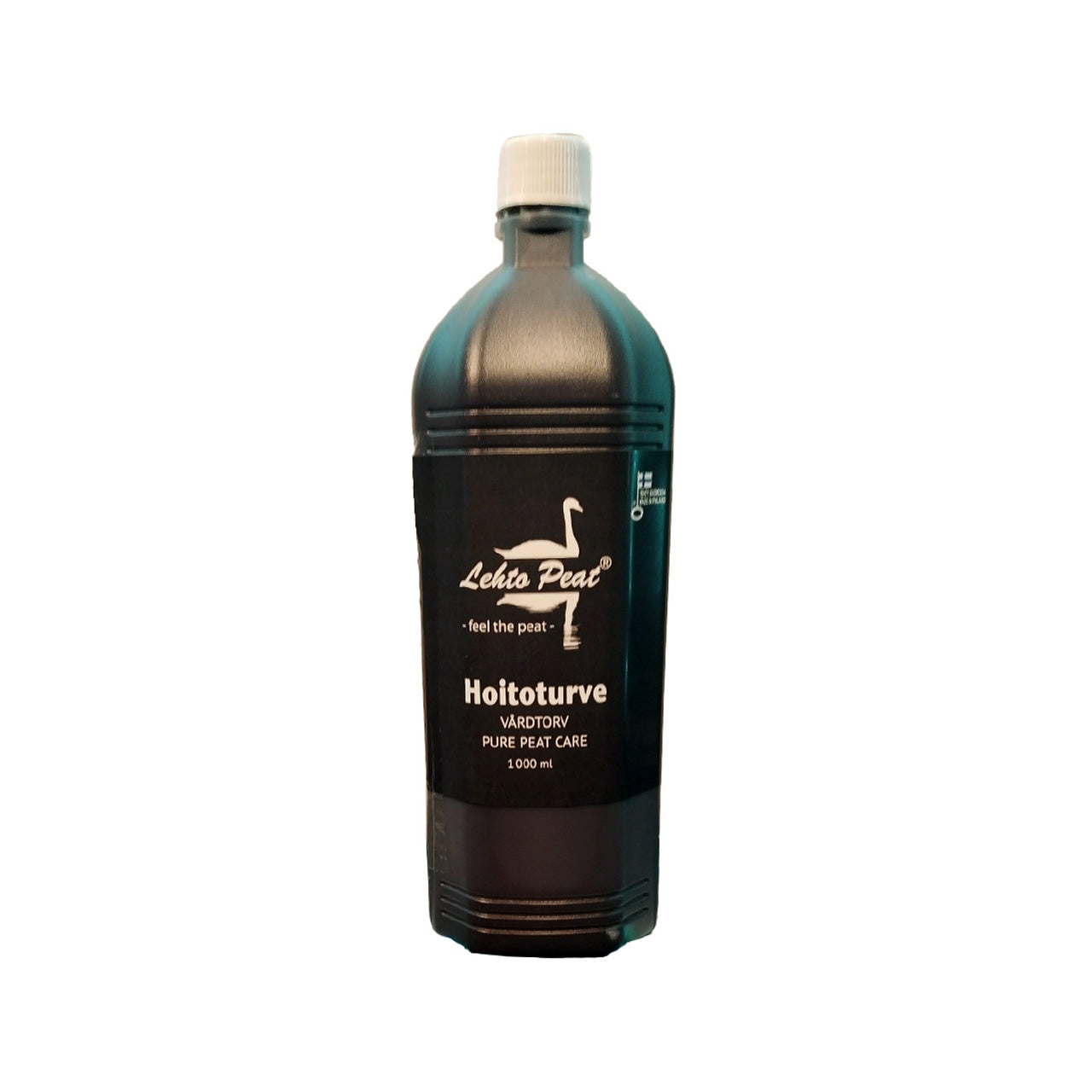
Peat is decomposed bog vegetation, mainly sphagnum moss and sedges. It is a 100% natural product. Nothing is added to it, and nothing is removed from it. Peat is carefully examined before being used for treatment .
Finnish people have become aware of therapeutic peat, especially through peat saunas .
PEAT RESEARCH
The average thickness of the peat layer in Finnish bogs is about 2 meters, but at its thickest it can be up to 12 meters. The layer suitable for peat management is carefully selected from the bog layers.
Peat is carefully examined first in the field and then in the laboratory at the Geological Research Institute. A bog auger is used for the examination, and peat with a soiling degree of at least 6/10 is accepted as treatment peat. The recommended soiling degree is 8/10.
The purity of the peat is ensured by hygiene tests . 33 different elements are determined in the treated peat. This also ensures that the peat does not contain heavy metals or other harmful elements.
Determining the ash content ensures the good quality of the peat. High ash content can be a sign of harmful elements in the peat. A good ash content is 1.6-12%.
 USE OF TREATMENT PEAT
Therapeutic peat can be used in peat bath treatments with massage.
In this case, the peat is heated in a water bath and applied to the skin while warm. Plastic wrap is placed over the peat to prevent it from drying out, and heat packs are applied to enhance the absorption of the peat's nutrients and to relax and soften the muscles before the massage treatment.
WHO IS THE USE OF PEAT AND PEAT TREATMENT SUITABLE FOR?
However, it should be remembered that full-body treatments are not suitable for people with heart disease, high blood pressure or cancer in the acute stage. However, smaller local treatments are suitable for almost everyone. People with resin allergies may experience temporary redness of the skin.
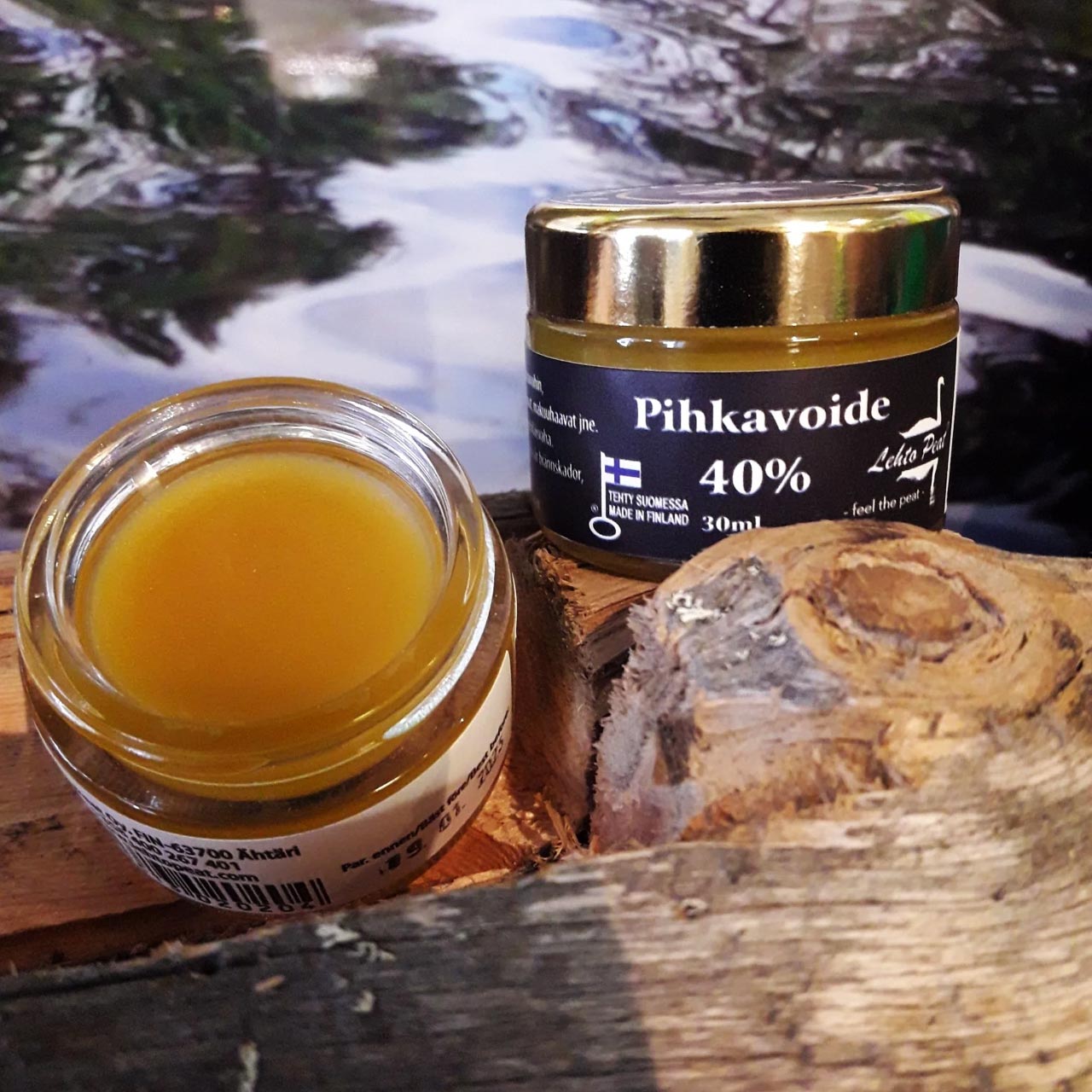
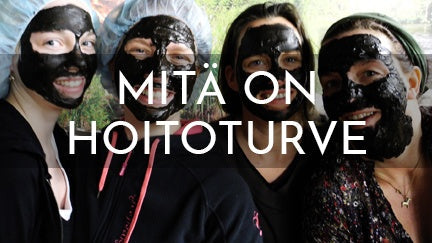
 Peat is also made into convenient smaller packages for local treatments. For example, in the inflammatory phase of rheumatoid arthritis and sports injuries, it is recommended to apply peat to the area to be treated cold from the refrigerator. Also a face mask It may feel comfortable when cool (room temperature), but it is also suitable for use when warm and then also effectively opens skin pores.
Peat therapy is suitable for full-body treatments, peat saunas, scalp treatments, peat baths, foot and hand treatments, local treatments and face masks. It can be used for rheumatic pain, inflammatory phases of rheumatism, stress injuries, menopausal problems, cellulite removal, skin problems (e.g. acne and psoriasis) and muscle stiffness. Hand and foot treatments improve peripheral circulation and soften calluses.
The same peat is only used once because it binds waste substances. However, peat from bags used for foot or hand treatments can be reused, for example, for watering flowers or as potting soil.
THE BIRTH OF THE SWAMP
Bogs are created as a result of overgrowth in waterways and when forest lands become swampy.
HISTORY OF THE SWAMP
The lowest layers of the bog can be up to 5,000-6,000 years old and contain the remains of various herbs and medicinal plants and bioactive substances that have a truly effective effect on health and well-being in peat treatments and saunas.
FAVORITE TYPES
1/3 of Finland's land is covered by mires, making Finland the most mire-rich country in the world. There are oasis mires in southern Finland and aapa mires in northern Finland.

